
SASA! Empowers Couple in BidiBidi Settlement to Transform Family Life and Livelihoods
Mary Poni and Stephen Jabuga, a couple residing in Zone 2 of BidiBidi Refugee Settlement, have experienced remarkable changes in their family life and economic wellbeing thanks to UGANET’s SASA! approach, a community intervention addressing gender-based violence and promoting shared responsibility in households.
Before participating in SASA! trainings, Mary carried the bulk of household responsibilities alone. She cooked, cleaned, cared for the children, and managed daily family needs with minimal support from Stephen. The imbalance created tension in their marriage and affected the wellbeing of their children.
“We used to struggle a lot. I would wake up early to cook and prepare everything for the family while Stephen went to work. Even when he returned, he rarely helped with the home,” Mary recalls.
The couple joined SASA! sessions organized by UGANET, which emphasized understanding power dynamics, equitable decision-making, and the importance of shared responsibilities in families. Through the program, both Mary and Stephen learned how to communicate, plan together, and approach household and economic tasks as partners.
“The trainings opened my eyes. I realized that taking care of the home is not just a woman’s job,” Stephen said. “Now I help with cleaning, washing utensils and clothes, and looking after the children when Mary is busy. We make decisions together.”
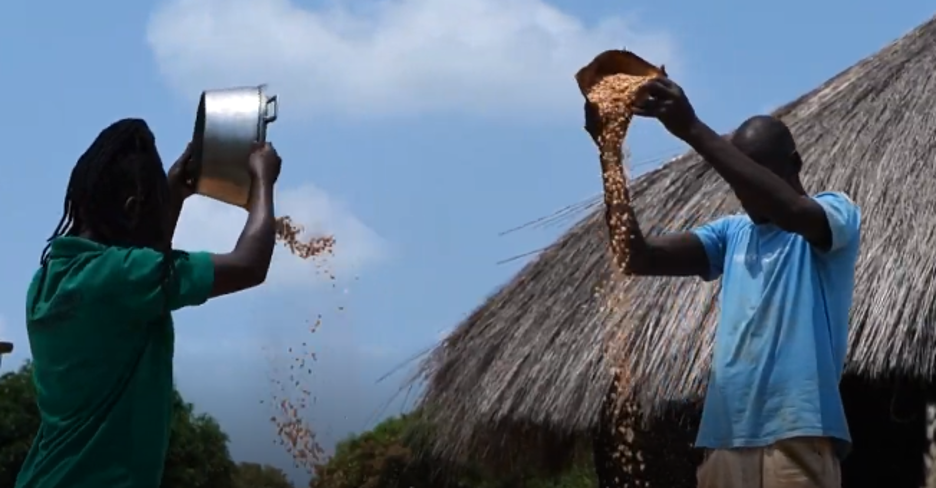
The changes extended beyond household chores. Empowered by the training, Mary and Stephen jointly started a maize business in a nearby town, generating income to meet their family’s basic needs, including food, school fees, and other essentials.
“Starting the maize business was possible because we learned to budget and plan together,” Mary explained. “It’s not just about money, it’s about teamwork and understanding each other.”
Caleb Ahabwe from UGANET’s VAWG Department emphasized the broader impact of such transformations: “When couples like Mary and Stephen embrace SASA!’s principles, they model healthy relationships in their communities. Shared responsibility and mutual respect reduce conflict and contribute to better family health and wellbeing.”
The couple reports that their marriage has grown stronger and more fulfilling. With cooperation and joint decision-making, they experience less conflict, more happiness, and a more stable home environment for their children.
“The house is happier now,” Stephen notes. “Our children are healthier and feel loved because we both take care of them. I feel proud to be part of this change.”
For Mary, the personal and economic benefits reinforce one another. “I no longer feel overwhelmed. We share responsibilities, and that has improved our lives, our marriage, and the health of everyone at home,” she said.
Their story highlights the transformative power of interventions that combine community awareness, skills building, and gender equality. SASA! not only prevents violence but also empowers families to thrive socially and economically.
Mary and Stephen’s journey in BidiBidi Settlement demonstrates that with guidance, reflection, and practical tools, couples can build partnerships that enhance family wellbeing, strengthen marriages, and foster community-wide change.


About Post Author
